Every year, thousands of international students choose the Czech Republic as a place to pursue their education, discover a new culture and build their future. Today, studying here means enjoying academic opportunities, freedom of expression and the chance to become part of an international community. Yet, these freedoms were not always guaranteed. Behind the opportunities available to students today lies a history of courage, sacrifice and the struggle for the right to education.
Why 17 November?
17 November holds a special place in the Czech calendar. It is connected to two major events in modern Czech history, both of which highlight the important role students have played in defending freedom and democracy. It is also the only internationally recognised day originating from historical events in the Czech lands.
The first chapter dates back to 1939, during the Nazi occupation of Czechoslovakia. On 28 October 1939, demonstrations took place in Prague to mark the anniversary of the establishment of independent Czechoslovakia. The protests were violently suppressed. Among those injured was Jan Opletal, a medical student at Charles University, who was shot during the demonstrations and shortly after passed away. His funeral on 15 November turned into another demonstration against the occupation.
On 17 November 1939, Nazi authorities ordered the closure of all Czech universities. Nine student representatives and activists were executed without trial, while more than 1,200 students were arrested and deported to the Sachsenhausen concentration camp. For many young people, this meant the sudden end of their university education, interrupted ambitions and, in some cases, the loss of their lives.
The events soon gained international recognition. In 1941, 17 November was proclaimed International Students' Day in London, commemorating the Czech students who had suffered under Nazi occupation. The date has since become a symbol of student solidarity and the importance of defending academic freedom worldwide.
Fifty years later: Students take to the streets again
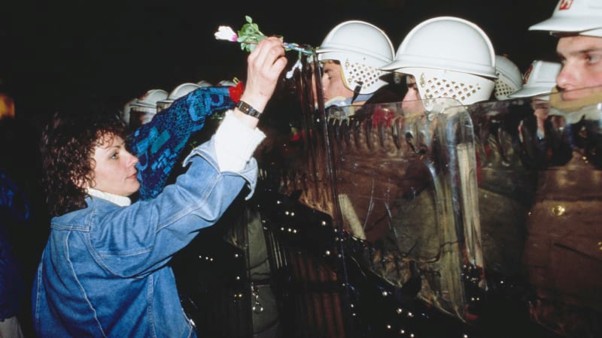
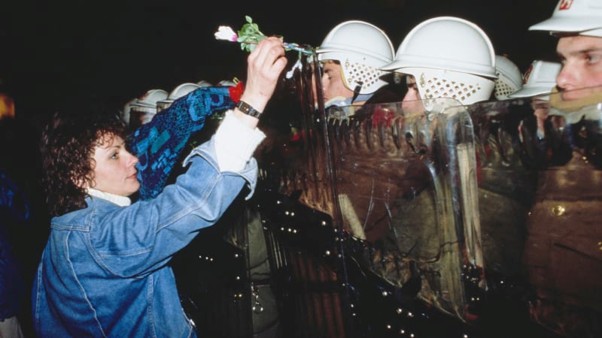
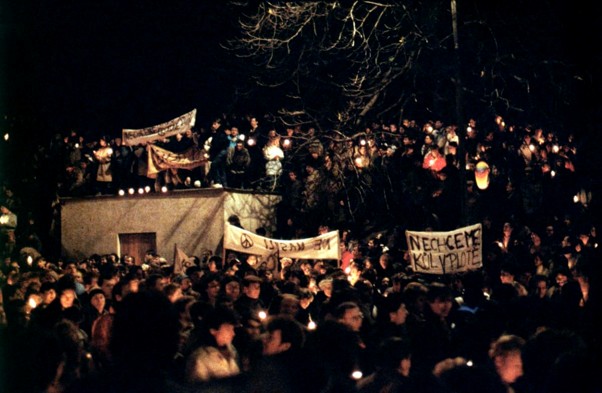
The second defining chapter of 17 November took place in 1989, marking the 50th anniversary of the events of 1939. A peaceful student demonstration began at Albertov in Prague and continued towards the city centre. However, on Národní třída (National Avenue), the demonstration was violently dispersed by communist security forces.
What began as a student commemoration soon became a catalyst for mass demonstrations across the country. Thousands of people joined the protests, demanding change and greater freedom. These events marked the beginning of the Velvet Revolution, which ultimately brought an end to communist rule in Czechoslovakia.
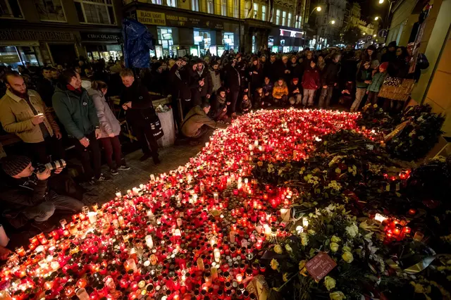
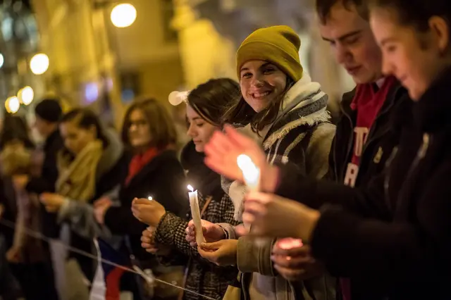
Today, Národní třída remains one of the most significant historical locations in Prague. Every year, people gather there to lay flowers, light candles and remember those who stood up for their rights.
Why is it also International Students' Day?
For many years, 17 November was officially known in the Czech Republic as the Day of Struggle for Freedom and Democracy. In 2018, the Czech Chamber of Deputies approved a proposal to add International Students' Day to the official name of the holiday. The change came into effect in 2019. Since then, the full name has been the „Day of the Struggle for Freedom and Democracy and International Students' Day.”
The addition recognises the importance of students not only in Czech history, but also in the wider international context. The events of 1939 and 1989 demonstrate that young people have historically played an important role in standing up for their rights, defending education and shaping the societies in which they live.
What does it mean to be a student in Czechia today?
At the current moment, the Czech Republic is an increasingly popular destination for international students. The attraction lies in the quality of education, international study programmes, cultural opportunities and accessible living and tuition costs. One particularly attractive feature is the availability of tuition-free higher education at public and state universities for programmes taught in Czech. This applies regardless of a student's nationality. Programmes taught in English and other foreign languages usually charge tuition fees, depending on the university and field of study.
However, studying in Czechia means much more than attending lectures and preparing for exams. It offers opportunities to participate in student organisations, volunteer initiatives, academic research, cultural events and international projects. It also means being able to express opinions freely, engage in open discussions and meet people with different backgrounds and perspectives.
In this sense, 17 November is particularly relevant for the international student community. It reminds us that the freedom to choose where and what to study, to question ideas and to express ourselves openly is something previous generations did not always have.
17 November in Prague: History, music and community
One of the best ways to understand the significance of this holiday is to experience it in Prague itself. Every year, the city centre becomes a meeting place for historical commemorations, cultural performances, concerts, exhibitions and public discussions.
One of the main celebrations takes place on Národní třída, where the annual Korzo Národní festival brings history into the streets. Visitors can enjoy live music, theatre performances, exhibitions, public debates, podcasts, interactive installations and guided historical walks. A particularly moving moment takes place at 17:11, when people come together for the traditional performance of Modlitba pro Martu (A Prayer for Marta), a song that has become closely associated with the struggle for freedom.
Another major event takes place at Wenceslas Square, where the annual Concert for the Future combines live performances, public discussions and reflections on the values of democracy and freedom. Beyond these two central locations, Prague hosts numerous commemorative ceremonies, student-led activities, historical walks and cultural events throughout the day. Many are free of charge, making them accessible to students and visitors alike.
Why should we remember?
For me personally, 17 November is above all a symbol of courage and unity. It reminds us that even in the most difficult circumstances, people can stand together against injustice and defend values such as freedom, human dignity and the right to education. As a student, I find myself particularly reflecting on the courage of young people in these events.
Liana
Study in Czechia Ambassador
Read more
Category
studies
Category
helpful tips
How to Handle the First Weeks at College?
When I started university, I had so many questions. How difficult would it be? How would I find my way around? Would I be able to manage everything? What exactly are course credits and assessments? My first semester was quite stressful as I gradually figured everything out.
Merry Expat Christmas: Finding Home Away from Home
As a student living abroad, celebrating Christmas can be a bittersweet experience. For the past two years, I've been far from the familiar warmth of my family and lifelong friends, finding myself feeling homesick most of the time. This feeling intensified, considering I also celebrate my birthday in December, leading to three consecutive celebrations - birthday, Christmas, and New Year - all far from my loved ones. However, little did I know that these Christmas celebrations would evolve into an unexpected adventure of joy and connection.
Exploring Czechia: Culture, Fun, and Everything In Between
Czechia may have a reputation for its amazing, old universities that look a bit like Hogwarts, but this country is also big on work-life balance. If you want to experience the best of both worlds - cultural immersion and some well-earned fun - Czechia's got you covered. Here's your guide to enjoying your time here while getting to know Czech culture (and the many nationalities that call it home)!
Winter in Czechia offers a mix of chilly temperatures, festive traditions, and opportunities for indoor activities that promote academic and personal growth.
What I love about being an international student in Czechia
I love many things as an international student in Czechia. Since arriving here, I have come to call Czechia my second home, and I believe it was wise to pursue higher studies here. Some of the things that stand out to me as an international student besides the academic aspects are as follows:
 CS